Comparing Virtual Reality Tours: Louvre vs. Traditional Experiences
Virtual Reality Tours: An Introduction
Virtual Reality (VR) has revolutionized how we experience art and culture, offering immersive tours that transport us to iconic destinations from the comfort of our homes. Among the most captivating VR experiences are tours of the world-renowned Louvre Museum. But how do these virtual tours compare to traditional, in-person visits?
The Allure of the Louvre
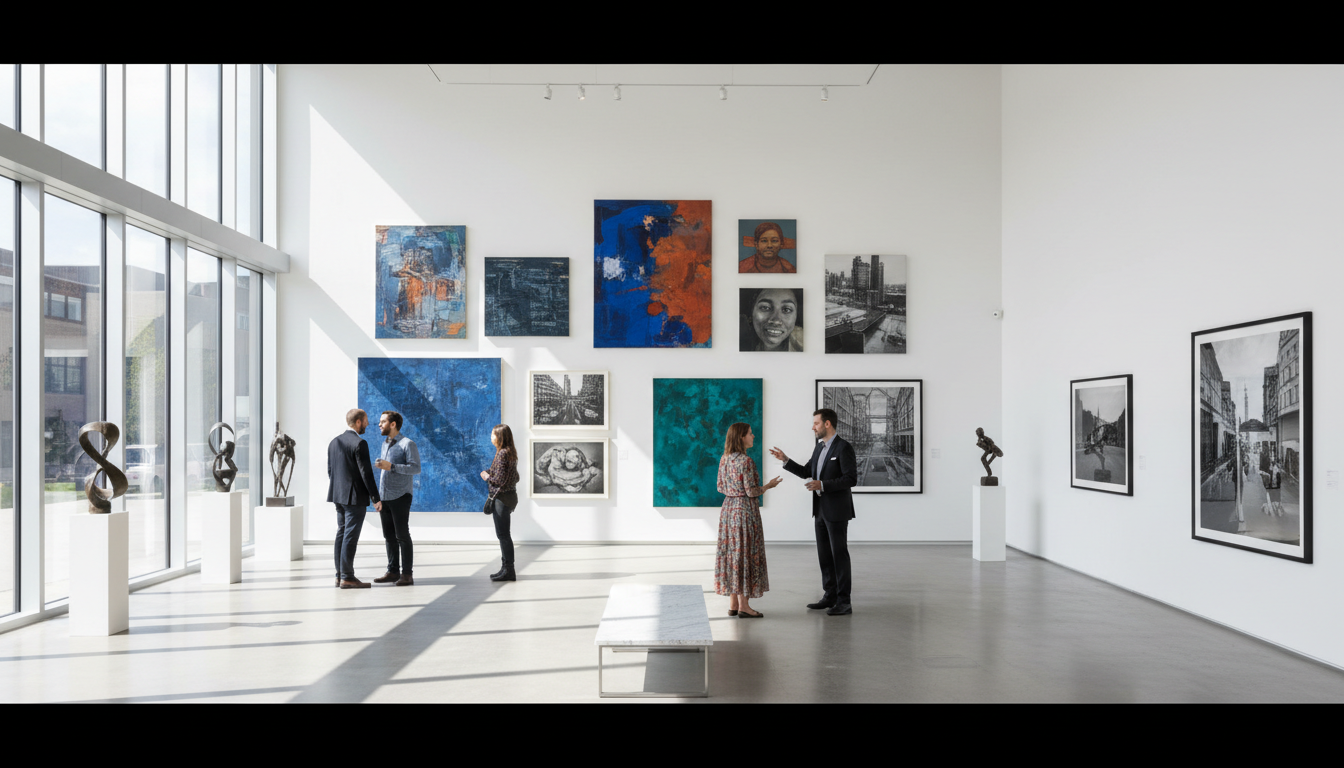
The Louvre, home to masterpieces like the Mona Lisa and the Venus de Milo, is a magnet for art lovers worldwide. A traditional visit involves wandering through its expansive corridors, absorbing the ambiance, and experiencing the art firsthand. This tangible connection to history and culture is irreplaceable for many.
Advantages of Traditional Experiences
Visiting the Louvre in person allows for a sensory-rich experience. The scale of the artwork, the texture of the brushstrokes, and the grand architecture of the museum itself contribute to a profound aesthetic encounter. Additionally, being physically present enables visitors to engage with art experts and participate in guided tours.
The Rise of Virtual Reality Tours
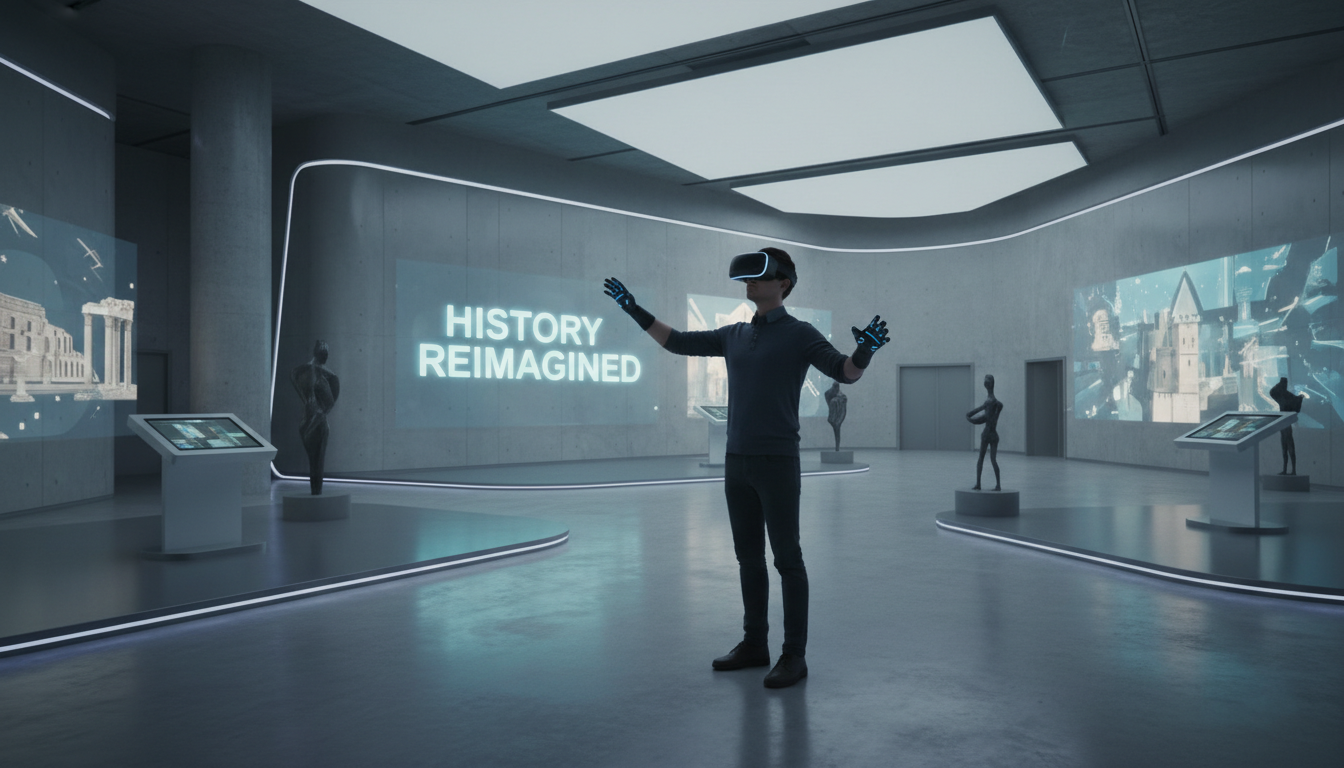
VR tours of the Louvre offer a different set of benefits. They provide accessibility to those unable to travel, enabling a global audience to explore the museum's treasures. With VR, users can navigate the museum at their own pace, focusing on specific artworks without the distractions of crowds.
Benefits of VR Tours
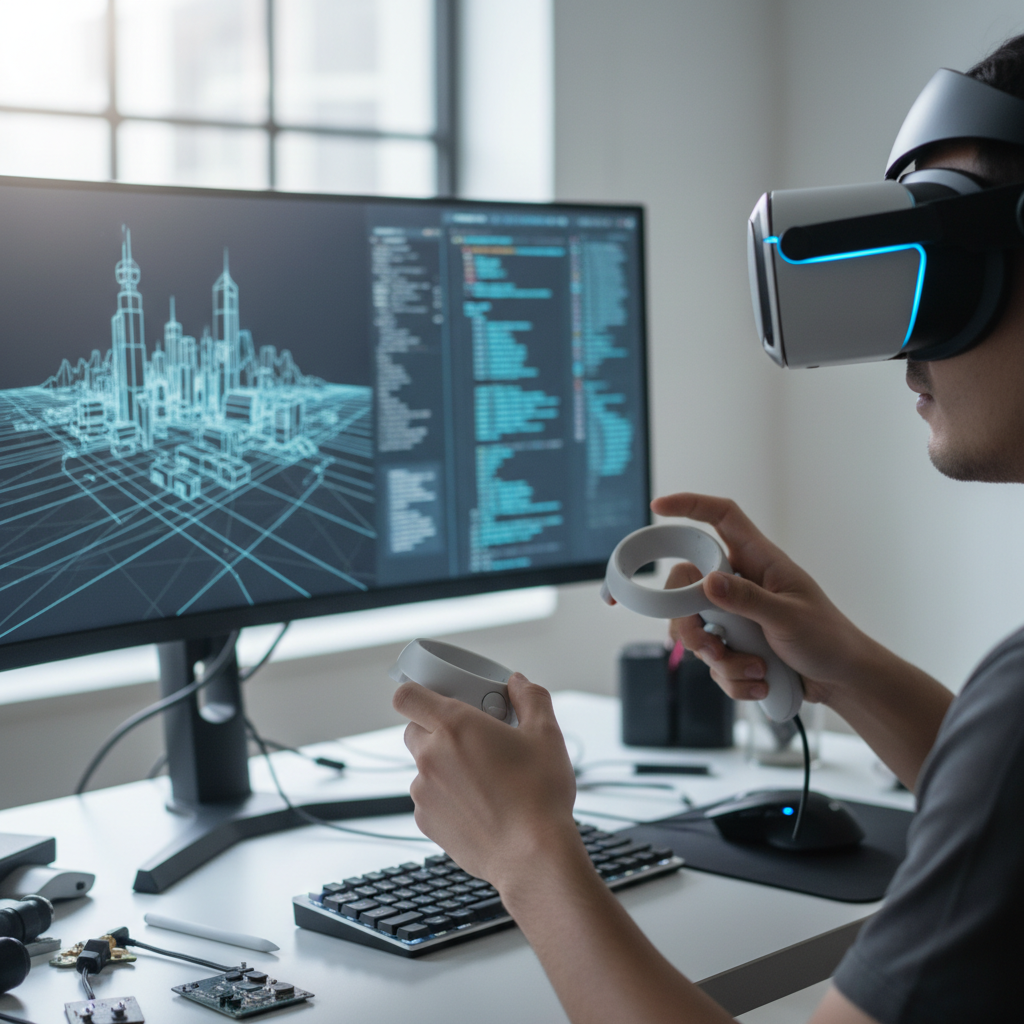
- Accessibility: Anyone with a VR headset can explore the Louvre, breaking down geographical barriers.
- Convenience: No need for travel arrangements or waiting in long lines.
- Customization: Users can tailor their experience, choosing which exhibits to explore in detail.
Comparative Insights
While traditional visits offer a sensory experience and a unique connection to the art, VR tours provide unmatched accessibility and convenience. Both mediums offer educational value, though the methods of engagement differ significantly. Some might argue that VR lacks the emotional impact of seeing art in person, while others appreciate the ability to explore freely and repeatedly.
In terms of educational content, VR tours often incorporate multimedia elements, such as audio guides and interactive features, enhancing the learning experience. This can be particularly beneficial for students and educators.
Conclusion: A Complementary Experience
Ultimately, VR tours and traditional experiences at the Louvre serve different purposes and audiences. While VR provides a practical alternative for those unable to visit, nothing can fully replace the magic of standing before a masterpiece. However, as technology continues to evolve, VR tours might become an increasingly integral part of how we engage with art and culture.
Whether you choose to explore the Louvre virtually or in person, each offers its own unique journey through history and art. Embracing both methods can provide a comprehensive understanding and appreciation of the museum's vast collection.