The Ultimate Guide to Virtual Reality Museum Tours
Introduction to Virtual Reality Museum Tours
Virtual reality (VR) has revolutionized the way we experience the world, providing immersive experiences without the need for physical travel. Museums around the globe have embraced this technology, offering virtual tours that allow art enthusiasts and history buffs to explore their collections from the comfort of home.
Why Choose a Virtual Museum Tour?
Virtual museum tours offer several advantages over traditional visits. Firstly, they provide access to museums regardless of geographic location, allowing you to explore exhibits from around the world. Additionally, these tours often include interactive elements that enhance the learning experience, such as detailed audio guides and 3D models.
Accessibility and Convenience
One of the most significant benefits of virtual tours is accessibility. People with mobility issues or those living far from major cultural centers can still enjoy world-class exhibits. Moreover, virtual tours are available 24/7, offering flexibility that traditional visits cannot match.
Top Museums Offering Virtual Tours
Several renowned museums have developed exceptional virtual experiences. Notable examples include:
- The Louvre in Paris, featuring virtual tours of its iconic exhibits.
- The British Museum in London, offering a virtual journey through history.
- The Smithsonian National Museum of Natural History in Washington, D.C., with immersive tours of its extensive collections.

How to Access Virtual Museum Tours
Accessing virtual museum tours is simple. Most museums host these tours on their official websites, often free of charge. Additionally, there are platforms dedicated to curating virtual tours from various institutions, making it easier to find and explore new exhibits.
Enhancing Your Virtual Tour Experience
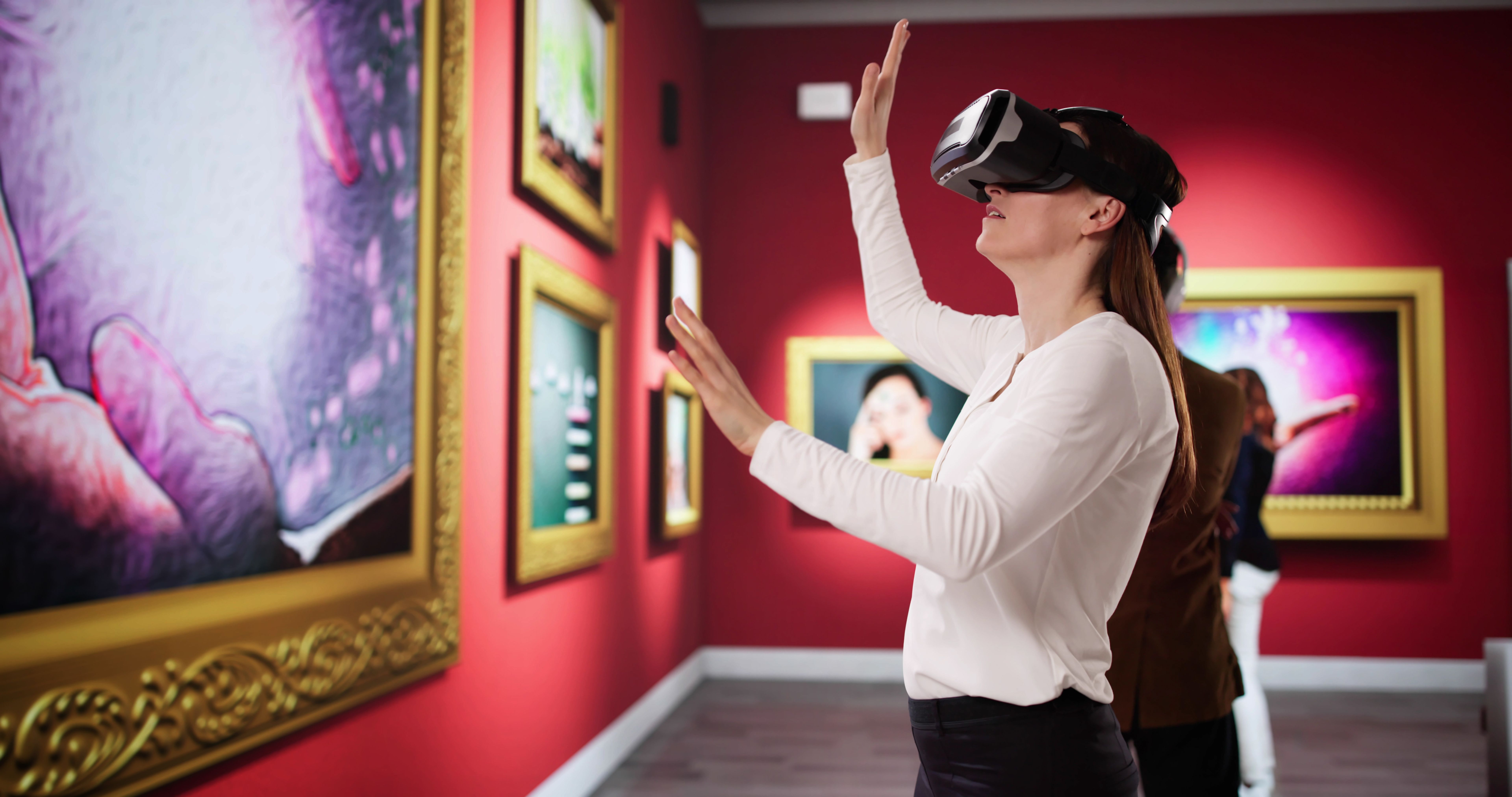
To make the most of your virtual museum tour, consider using a VR headset for a more immersive experience. While not necessary, a headset can significantly enhance the sense of presence and engagement. Furthermore, taking notes or discussing the exhibits with friends can deepen your understanding and enjoyment.

Interactive Features and Learning Tools
Many virtual museum tours incorporate interactive features such as clickable artifacts, detailed descriptions, and even quizzes. These tools provide a richer educational experience, allowing you to delve deeper into the subject matter.
The Future of Virtual Reality in Museums
As technology continues to advance, the potential for virtual reality in museums is vast. Future developments may include more interactive elements, personalized tour options, and augmented reality features that blend the digital with the real world. The integration of artificial intelligence could also offer personalized recommendations and insights based on individual preferences.
Virtual reality museum tours have opened up new possibilities for cultural exploration, making art and history more accessible than ever before. Whether you're an avid art lover or simply curious, these tours offer a unique and enriching way to experience the world's greatest museums.