Unlocking Art Through Technology: Virtual Reality Guided Tours of the Louvre
Exploring the Louvre Like Never Before
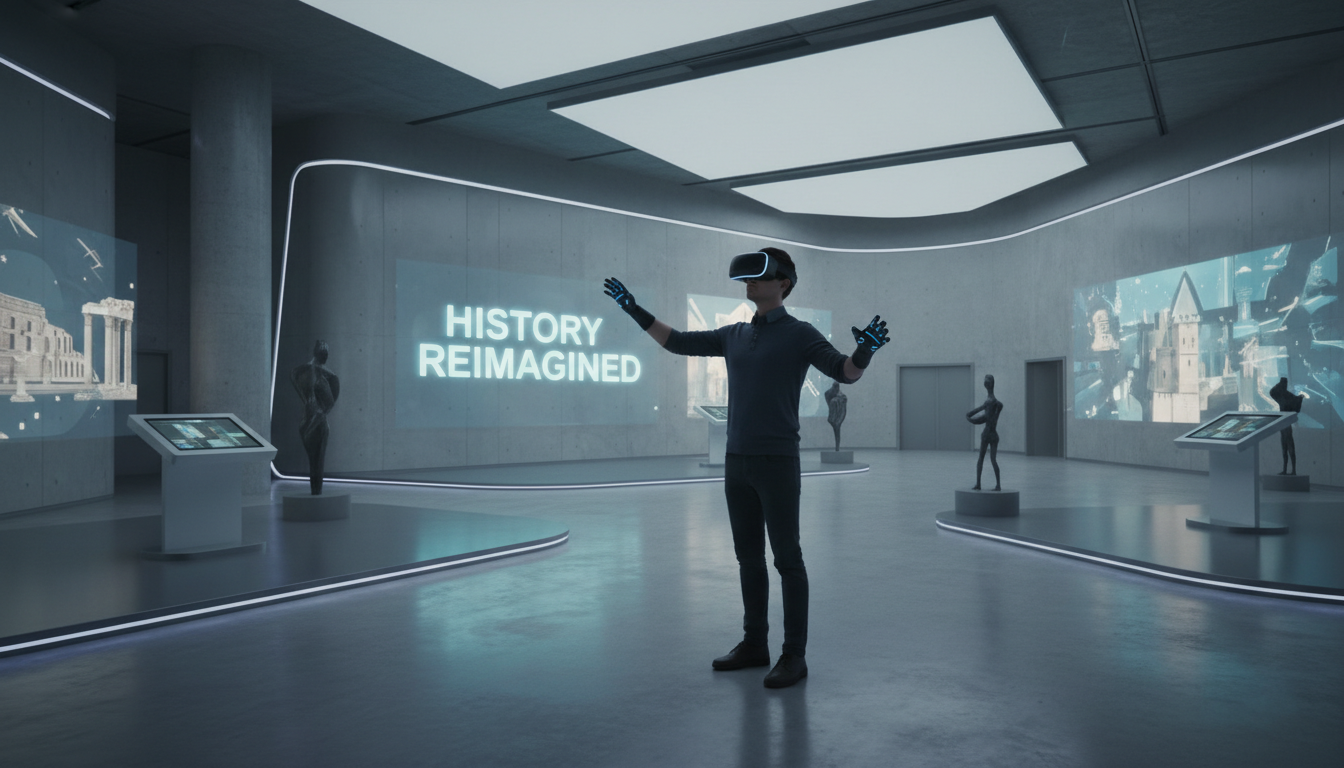
The Louvre, a bastion of art and history, has long been a dream destination for art lovers around the world. However, the fusion of technology and art now allows anyone with an internet connection to explore its treasures. Virtual Reality (VR) guided tours offer a unique and immersive experience, bringing the museum's vast collection directly to your living room.
By leveraging VR technology, the Louvre opens its doors to a global audience, breaking down geographical barriers and making art accessible to everyone. This innovation not only enhances the museum's reach but also enriches the visitor experience by offering a dynamic and interactive way to engage with art.
The Benefits of Virtual Reality Tours
Virtual Reality tours of the Louvre offer numerous advantages over traditional visits. Here are some of the key benefits:
- Accessibility: VR tours make the museum accessible to those who cannot travel due to distance, time, or physical limitations.
- Flexibility: Visitors can explore the museum at their own pace, pausing to admire pieces that capture their interest.
- Interactivity: VR allows for interactive elements, such as detailed information pop-ups and audio guides, enhancing the educational aspect.
How It Works
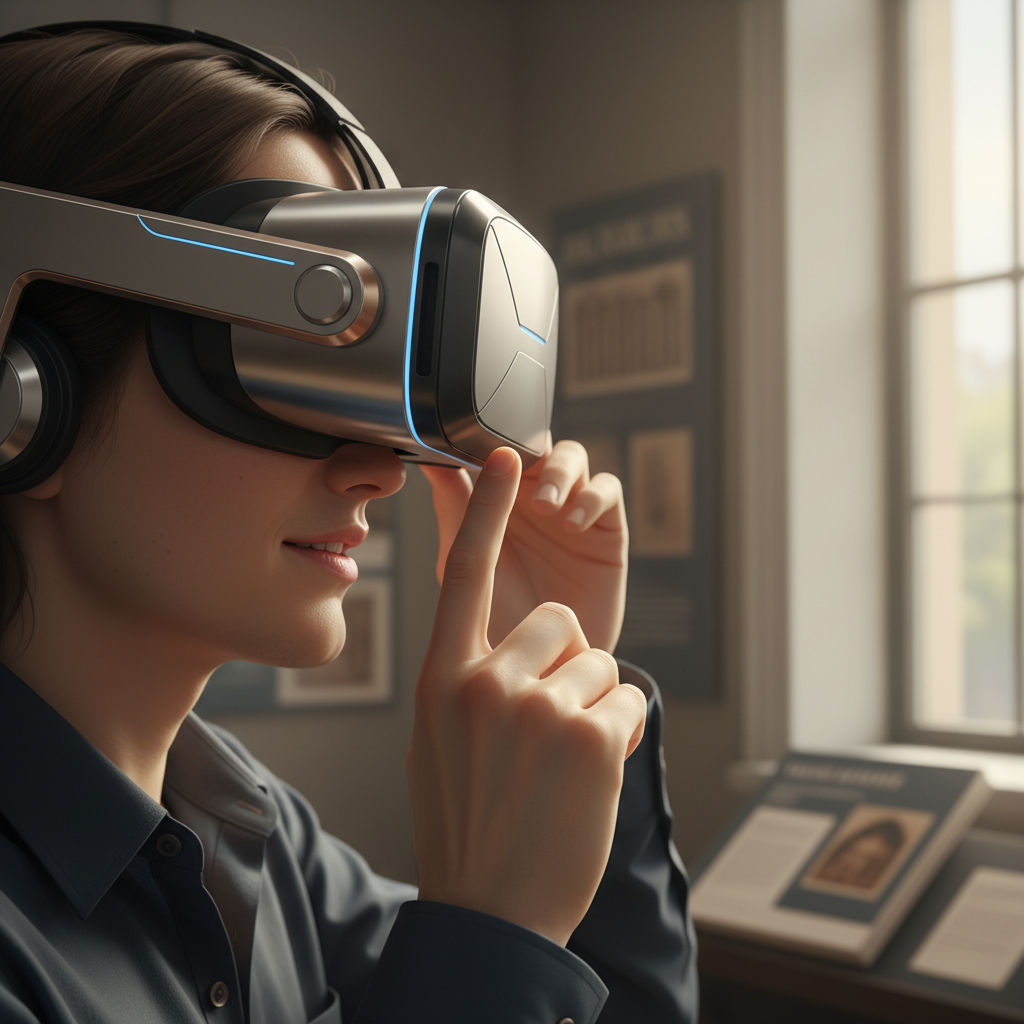
Embarking on a VR tour of the Louvre is a straightforward process. All you need is a VR headset and an internet connection. Once connected, you can navigate through the museum's galleries using intuitive controls. The experience is designed to be user-friendly, ensuring that even those new to VR can enjoy the tour with ease.
Highlights of the Virtual Tour
The Louvre's VR tour includes many of its most famous works. Visitors can marvel at the Mona Lisa, explore the grandeur of the Venus de Milo, and delve into the details of The Coronation of Napoleon. Each piece is presented with high-resolution imagery and detailed descriptions.
Additionally, the VR platform offers exclusive behind-the-scenes content, such as insights into the museum's history and the stories behind the artworks. This added depth transforms the tour into an educational journey, providing context and background that enhance appreciation and understanding.

Future of Museum Experiences
The success of virtual reality tours at the Louvre signals a broader trend in how museums can engage audiences. As technology continues to evolve, we can expect more institutions to adopt similar approaches, integrating digital innovations to offer hybrid experiences that blend physical and virtual visits.
This shift not only democratizes access to art and culture but also encourages a new generation of museum-goers. By embracing technology, museums can remain relevant and dynamic, offering visitors experiences that are both informative and entertaining.
Conclusion
The advent of virtual reality guided tours marks a significant milestone in the relationship between art and technology. By making the Louvre's collections accessible to a global audience, VR tours reshape how we experience and appreciate art. Whether you're a seasoned art enthusiast or a curious newcomer, these tours offer a fresh and exciting way to engage with some of the world's most treasured artworks.